Many intermediaries in philanthropy do fundamentally similar work: attracting donors and then connecting their dollars to the issues they care about. But how intermediaries— including community foundations, women's funds, and membership organizations— frame and focus that work can have a significant impact on their ability to bring change to the communities they are designed to help serve. This is especially true in communities of color, where the opportunity for intermediaries to build a strong donor base is enormous—but the need to help donors feel connected to the work is equally great.
Intermediaries that have not yet developed pathways and “frames” for raising money and trust in communities of color can feel particularly challenged. When Athan Lindsay, development officer at the Community Foundation of Greater Greensboro, joined the organization two years ago as part of a W.K. Kellogg Foundation grant, he was more or less starting from scratch. “The perception was that it was a white organization that primarily served wealthy white people,” said Lindsay. Despite operating in the birthplace of the sit-in movement, the foundation had few donors of color and no active strategy for attracting them.
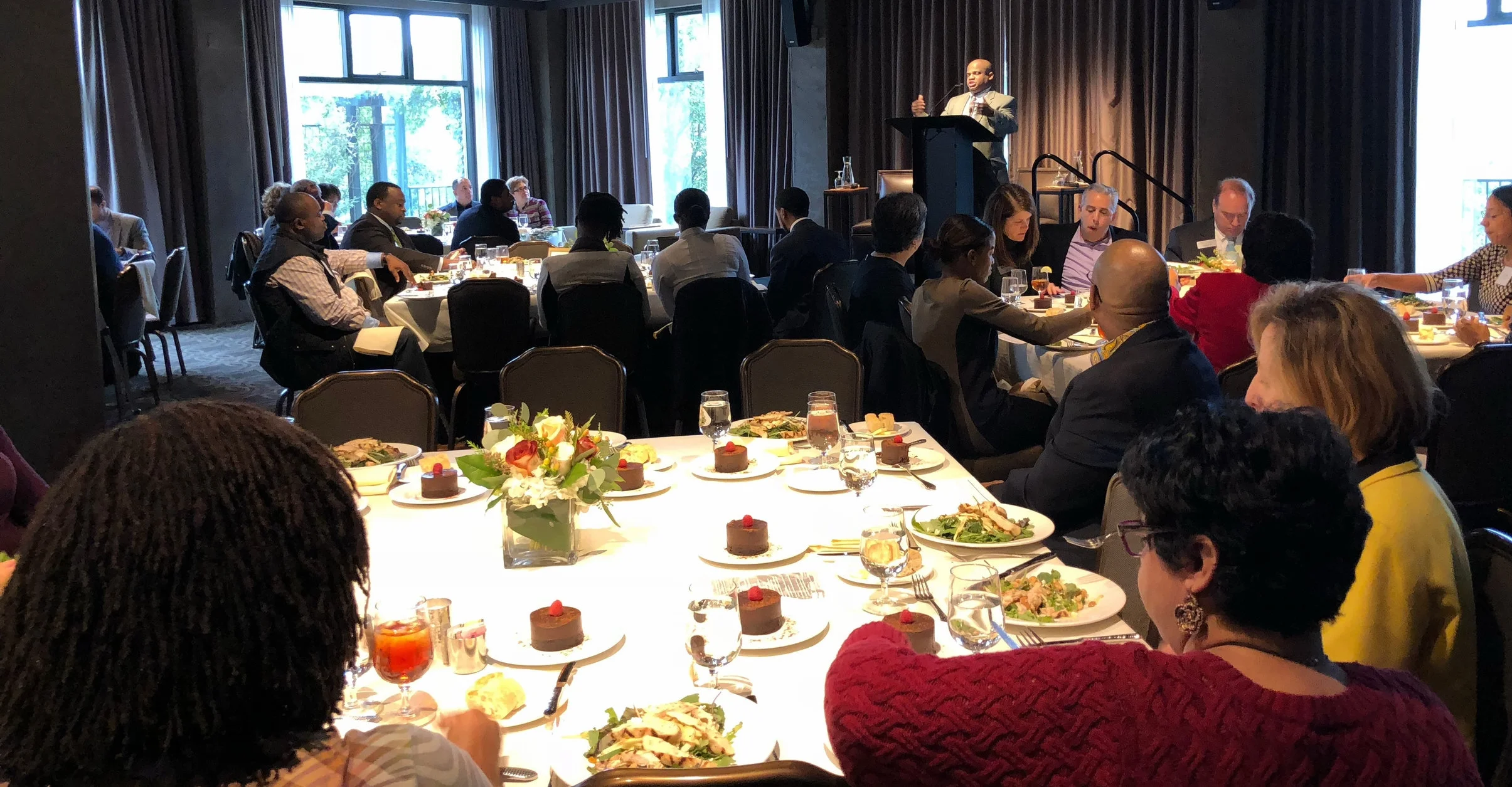
For Lindsay, the first step in changing that was donor education. Soon after joining the foundation he launched an ongoing series of events called “Community Conversations,” inviting notable people of color from the field to talk to community members about how philanthropy works and why participating in it matters. “A lot of this stuff is mysterious,” explained Lindsay. “I wanted to demystify it—but also to create the space to talk about why it is even important for people of color to be giving-especially through philanthropic institutions like community foundations that are the hubs of philanthropic and civic life in many communities.”
At these events, he makes a point of framing philanthropy as a self-directed enterprise. “In communities of color, you have to understand distrust issues,” he said. “People want to keep control of their assets. They need to know that they can self direct their funds to what’s important to them. You have to be able to talk about that power piece, especially in communities that have been on the outside.” So far, these frank conversations have helped inspire two giving circles and several donor advised funds run by first-time philanthropists of color. “Extending the frame of what philanthropy is means allowing communities to determine their own destination.”
“For me it was: How do we get down to the real issues and root causes affecting our community?”
The POISE Foundation in Pittsburgh was founded in 1980 as a black community fund, so that framing, for them, was well established. But for its first two decades, the foundation was founder-run and had limited scope and reach. “Looking at the size of the foundation, it was obvious we weren’t going to make enough impact just through small grantmaking,” said president and CEO Mark Lewis, a CPA who served on the board for six years before taking leadership of POISE in 2002. “For me it was: How do we get down to the real issues and root causes affecting our community?”
The answer was by changing the narrative of their work and reframing their strategy around the tighter goal of strengthening black families. “When family structure is broken down, the community breaks down too,” explained Lewis. By putting the issue of helping and supporting the black family unit at the center of their work, he reasoned, POISE could start having impact at the systems level. And, indeed, that reframe has given new focus to the foundation, raising its visibility in the community, giving rise to new kinds of programs, and giving POISE donors a clear story about the impact of their dollars—all of which has helped draw more philanthropic giving to the foundation.
Even high-profile intermediaries can face new kinds of crossroads when it comes to framing their work and their impact. Hispanic Federation, a well-established backbone organization in the Latino community, has a long track record of bringing stakeholders together around urgent community challenges. But when Hurricane Maria decimated Puerto Rico in September 2017, the organization had to make quick and weighty choices about how to respond to the disaster.
“We’re a community under constant threat, with forces relentlessly pushing from the outside, so there’s a culture within our organization that we need to always be ready to react quickly to emergencies and urgent community needs.”
Even before the hurricane hit land, the Federation fielded a frenzy of calls—including from the mayor of New York City and a host of business and community leaders. “They were all looking for us to help figure out what they could do,” said José Calderón, Hispanic Federation’s president. “We’re a community under constant threat, with forces relentlessly pushing from the outside, so there’s a culture within our organization that we need to always be ready to react quickly to emergencies and urgent community needs.” Still, they had never faced a disaster of this scale.
Knowing speed was critical, the Federation quickly launched the Unidos Disaster Relief and Recovery Program, a focused fund with the sole aim of getting much-needed support to Puerto Rican families and communities. Donors from all 50 states and 23 countries contributed to the fund, which quickly grew to well over $25 million. The Federation used technology to coordinate hundreds of online community donation drives, and organization leaders traveled to Puerto Rico themselves to ensure their ability to direct funds and supplies in the most efficient way possible. Meanwhile, back at home, they redistributed talent within the organization and made a series of strategic hires to handle the new workload. “Our staff stretched itself to cover a mountain of needs that grew almost by the minute,” said Calderón. “It was a huge operation. We were not ready, but we quickly became ready.”
Whether an organization is just starting out or is well established, having the nimbleness to pursue new paths and create new frames for their work is critical. “It’s all about equipping people and organizations with the philanthropic tools to address huge issues and problems,” reflected Athan Lindsay. Added Mark Lewis: “Ultimately, this work is all about creating opportunity for people to connect with their community.”